
Yarn Fibres Compared: Wool, Cotton, Acrylic and the Rest
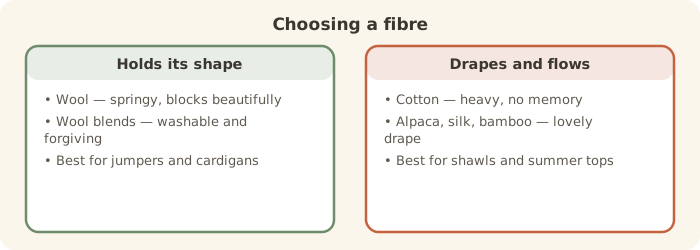
Choose by behaviour, not price. Wool is springy and blocks beautifully. Cotton has no memory and sags under its own weight. Acrylic is washable and hard-wearing but won't block into shape.
Weight tells you thickness; fibre tells you how the finished thing will behave.
The main fibres
| Fibre | Strengths | Weaknesses |
|---|---|---|
| Wool | Springy, warm, blocks well, forgiving of uneven tension | Felts if machine washed; can prickle |
| Superwash wool | Machine washable, takes dye brilliantly | Grows when wet; less springy |
| Merino | Very soft, next to skin | Pills more than coarser wools |
| Cotton | Cool, washable, hard-wearing | Heavy, no memory, sags in garments |
| Acrylic | Cheap, washable, dryable, hypoallergenic | Won't block; can feel squeaky |
| Alpaca | Very warm, beautiful drape, no prickle | Heavy; grows and stretches in wear |
| Mohair | Halo, warmth for very little weight | Almost impossible to rip back |
| Silk | Lustre and drape | Expensive; stretches and stays stretched |
| Linen | Improves with every wash | Stiff and hard on hands while knitting |
| Bamboo | Silky, cool, good drape | Little elasticity; ribbing goes limp |
Don't know what you've got?
If the ball band is gone, our yarn identifier will tell you the weight from a wraps-per-inch count. For the fibre, a burn test on a snippet is the traditional method.
Matching fibre to project
Garments that must hold their shape
Wool or a wool blend. The springiness is what keeps a jumper looking like a jumper after a winter of wear. Pure cotton or alpaca will grow.
Baby and children's items
Superwash wool, cotton or good acrylic — anything that survives a hot wash. Parents will not hand-wash, however lovely the yarn.
Shawls and anything that should drape
Silk, bamboo, alpaca or a blend. You want weight and flow rather than bounce, which is exactly what these fibres give.
Blankets and homeware
Acrylic or cotton. Both wash repeatedly without complaint, which matters far more than luxury on something that lives on a sofa.
The burn test, if you're curious. Snip a few inches and hold it to a flame over a sink. Wool smells of burnt hair and self-extinguishes into a crushable ash. Cotton smells of burning paper. Acrylic melts into a hard plastic bead. It's crude and surprisingly reliable.
Blends
Most yarns are blends, and generally for good reason: a little nylon in sock yarn makes heels last, acrylic in a wool blend makes it washable and cheaper, and silk in wool adds drape and lustre. A blend usually behaves like whichever fibre dominates, so read the percentages rather than the first word on the band.
Questions we're often asked
Which yarn is best for a jumper?
Wool or a wool-rich blend. It has the elasticity to hold shape over a long day of wear, blocks beautifully and hides uneven tension better than any other fibre.
Why does my cotton project sag?
Cotton has no memory, so it doesn't spring back the way wool does. It's the right choice for dishcloths, bags and summer tops, and a risky one for fitted garments.
Is acrylic bad yarn?
No — it's the right choice for anything needing hot washing and hard wear, which is why it dominates blankets, baby items and charity knitting. It simply won't block into shape the way wool does.